Source Waterproof Flame Retardant Holland Velvet for Sofa, Curtain, Bed
Compare 25 listings for waterproof flame retardant holland velvet suitable for sofa, curtain, and bed applications. Buyers can evaluate features like dyeing processes, certifications, and supply capabilities from verified manufacturers in China.
Key considerations
Products List


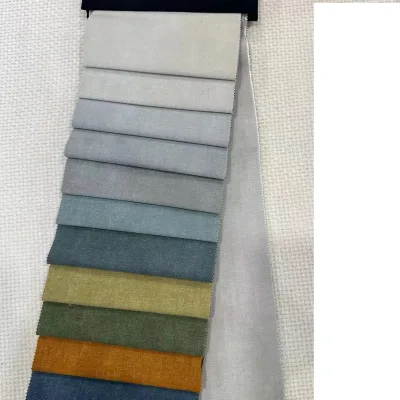


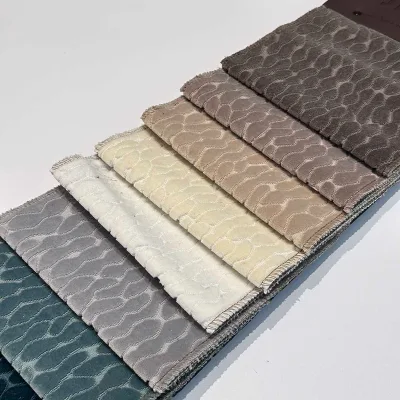
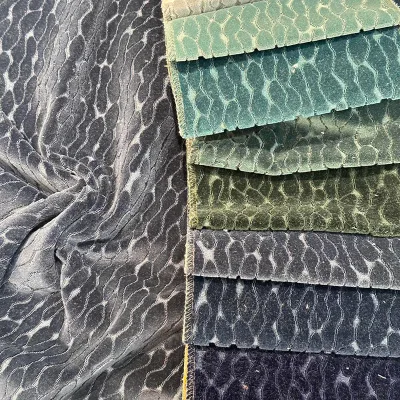
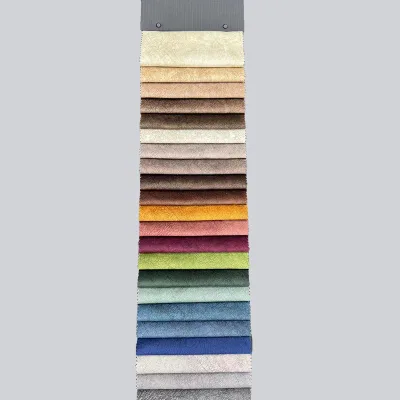


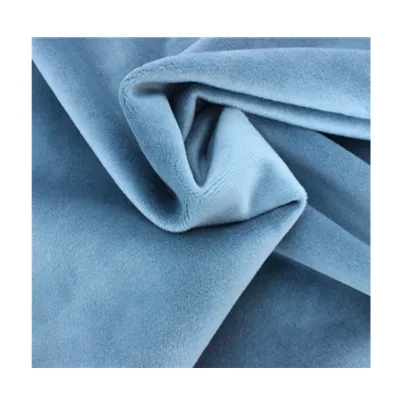


Comprehensive Sourcing Guide
Waterproof Flame Retardant Holland Velvet Sourcing Guide
Procuring waterproof and flame-retardant Holland velvet requires a precise understanding of the specific fabric construction and chemical treatments that define this category. The material is primarily utilized for high-traffic upholstery applications, including sofas, curtains, and bed linens, where durability and safety are paramount. Buyers must distinguish between standard velvet and specialized variants that incorporate multicoloured foil dyeing or embroidery processes, as these finishing techniques directly impact the fabric's ability to maintain its water and fire resistance over time.
The sourcing landscape for this textile is characterized by a mix of standard and custom production models, with suppliers often operating on a make-to-order basis. This approach allows for significant customization in color and pattern but necessitates careful management of minimum order quantities and lead times. Understanding the supply chain dynamics, particularly the distinction between short fiber and other fiber types, is essential for ensuring the final product meets the mechanical strength and aesthetic requirements of the intended end-use, whether for residential furniture or commercial hospitality settings.
Product Scope and Observed Listing Signals
When evaluating product listings, buyers should look for specific indicators of the fabric's functional capabilities, such as explicit mentions of waterproof, oil-proof, and flame-retardant properties. These attributes are not universal to all velvet products but are critical differentiators for Holland velvet intended for demanding environments. Listings that highlight a colorfastness grade of 4-5 and pilling resistance of 4-5 provide strong evidence of quality, suggesting the fabric can withstand rigorous cleaning and heavy use without significant degradation in appearance or texture.
The observed market signals also include variations in production processes, ranging from original dyeing with embroidery to more complex treatments involving multicoloured foil. These processes often correlate with specific product models and supply capabilities, such as a monthly supply ability of 300,000 meters, which indicates a manufacturer's capacity to handle large-scale orders. Buyers must verify that the listed physical features, such as bursting strength of 1000kpa, align with the structural demands of the intended application, ensuring the fabric will not tear or fail under the stress of upholstery or curtain installation.
Technical Specifications to Verify
Technical verification begins with confirming the fiber composition and knitting techniques, as these factors dictate the fabric's performance characteristics. While some listings specify 100% polyester or short fiber types, others may reference different knitting technics like tricot or warp knitting, which influence the fabric's drape, strength, and insulation properties. It is crucial to validate that the physical features, such as low strength or specific fiber cross-sections, are appropriate for the project, as a fabric designed for lightweight applications may not suffice for heavy-duty sofa upholstery without reinforcement.
Buyers must also scrutinize the dimensional and packaging specifications to ensure logistical compatibility with their supply chain. Standard roll packing often ranges from 40 to 60 meters per roll, with specific volume constraints like 0.05-0.06 cubic meters per roll, which affects shipping costs and storage requirements. Additionally, the presence of specific product models, such as 0323-5 or ZY-058, serves as a reference point for consistency, allowing buyers to request exact samples that match the technical parameters of the original listing, including shrink-resistant and anti-static functions where required.
Compliance and Safety Documentation
Safety compliance is a non-negotiable aspect of sourcing flame-retardant textiles, requiring verification of recognized certifications such as SGS and ISO9001-2000. These documents provide third-party validation that the fabric meets international safety standards for fire resistance and chemical content, specifically confirming that formaldehyde content is not detected. Buyers should insist on seeing current test reports that explicitly cover the flame-retardant and waterproof claims, as these properties are often dependent on the specific chemical treatments applied during the dyeing and finishing processes.
Beyond fire safety, documentation regarding cleaning methods and maintenance is essential for long-term product viability. Listings that specify machine washability and ring-mounted header types for curtains indicate a design focused on ease of care and installation. However, buyers must ensure that the cleaning instructions provided by the supplier are consistent with the fabric's chemical treatment, as improper cleaning can degrade the waterproof and flame-retardant coatings. Verifying that the supplier adheres to these standards through their certification portfolio helps mitigate the risk of non-compliance in the final product.
Cost Drivers and Commercial Terms
The commercial structure for Holland velvet is heavily influenced by minimum order quantities (MOQ) and the complexity of the customization requested. Observed MOQs can vary significantly, ranging from 300 meters per color for standard runs to 1000 meters or more for specialized finishes, directly impacting the unit cost and the feasibility of small-batch orders. Buyers must factor in these thresholds when planning procurement, as exceeding the MOQ may be necessary to secure the desired price point or to access specific colorways and technical features like heat insulation or tear resistance.
Payment terms and lead times are also critical cost drivers that affect cash flow and project scheduling. Typical payment structures include T/T, L/C, or deposit at sight, while lead times generally span 20 to 30 days depending on the complexity of the order and the supplier's current production load. The supply type, often listed as "Made to Order," implies that production begins only after the order is confirmed, which can extend the timeline if customization involves unique dyeing processes or embroidery. Understanding these terms allows buyers to accurately forecast delivery dates and manage inventory levels effectively.
Supplier Qualification and Quality Control
Supplier qualification should focus on verifying their production capacity and adherence to quality standards, particularly regarding the consistency of their dyeing and finishing processes. A supplier with a monthly supply ability of 300,000 meters and a location in Keqiao, Shaoxing, China, likely possesses the infrastructure to handle large volumes, but buyers must confirm that their quality control protocols maintain the specified colorfastness and pilling resistance across all batches. The availability of free samples is a positive indicator, allowing buyers to physically test the fabric's waterproofing, flame resistance, and tactile feel before committing to a larger order.
Quality control extends to the physical inspection of the fabric's mechanical properties, such as bursting strength and knitting technics. Buyers should implement a rigorous inspection regime that checks for defects in the roll packing and ensures that the fabric meets the stated specifications for fiber types and physical features. Given that some listings mention low strength or specific fiber cross-sections, it is vital to validate that the final product matches the intended application requirements, ensuring that the fabric will perform reliably in its end-use environment without premature failure.
Long-Term Procurement Checks
Establishing a long-term procurement strategy for Holland velvet requires ongoing monitoring of the supplier's ability to maintain consistent quality and compliance over time. Buyers should schedule regular audits or request updated test reports to ensure that the flame-retardant and waterproof properties remain stable, as these treatments can degrade if the manufacturing process changes or if raw material sources shift. Maintaining a relationship with a supplier who offers customization and adheres to strict standards like ISO9001-2000 helps ensure that future orders will meet the same high benchmarks as the initial purchase.
Finally, buyers must plan for the lifecycle of the product, considering how the fabric will age and perform under real-world conditions. The end-use applications, ranging from toys to carpets, demand different levels of durability, and the procurement strategy should account for these variations. By tracking performance metrics such as colorfastness and pilling resistance over time, buyers can identify potential issues early and adjust their specifications or supplier relationships accordingly, ensuring that the Holland velvet continues to meet the safety and aesthetic needs of their projects for years to come.
FAQs
Can waterproof flame retardant holland velvet be customized for specific projects?
Yes, customization is available for this fabric to meet specific project requirements. Buyers can request custom colors and packaging lengths ranging from 40 to 60 meters per roll. The supply type is made to order, allowing for tailored production runs that align with unique design specifications and end-use applications.
What certifications ensure the safety of this flame retardant velvet?
The fabric holds SGS and ISO9001-2000 certifications, verifying its quality and safety standards. These credentials confirm that the material meets rigorous industry benchmarks for performance and reliability. The formaldehyde content is not detected, ensuring the product is safe for home textile applications such as sofas, curtains, and bedding.
What is the minimum order quantity for this polyester velvet?
The minimum order quantity varies by production method, typically starting at 300 meters per color for dyeing with multicoloured foil. For other processes like original dyeing with embroidery, the MOQ may be 800 meters or 1000 meters per color. These thresholds ensure efficient production while accommodating bulk purchasing needs.
How durable is the bursting strength of this holland velvet?
The fabric exhibits a bursting strength of 1000 kPa, indicating high durability for upholstery and home textile uses. It also features a colorfastness grade of 4-5 and pilling resistance of 4-5. These physical properties ensure the material maintains its appearance and structural integrity under regular use and cleaning.
What is the typical lead time for ordering this velvet?
The standard lead time ranges from 20 to 30 days depending on the specific production process and order volume. For instance, some processes require 20-25 days, while others may take 25-30 days. This timeframe allows for quality control and manufacturing adjustments to meet the specified customization and supply requirements.
Is this velvet suitable for machine washing and home use?
Yes, the fabric is machine washable and designed for various home textile applications. It is suitable for sofas, curtains, beds, and toys. The material is oil-proof and waterproof, making it practical for high-traffic areas. Its polyester composition ensures easy maintenance while retaining its aesthetic qualities and functional performance over time.